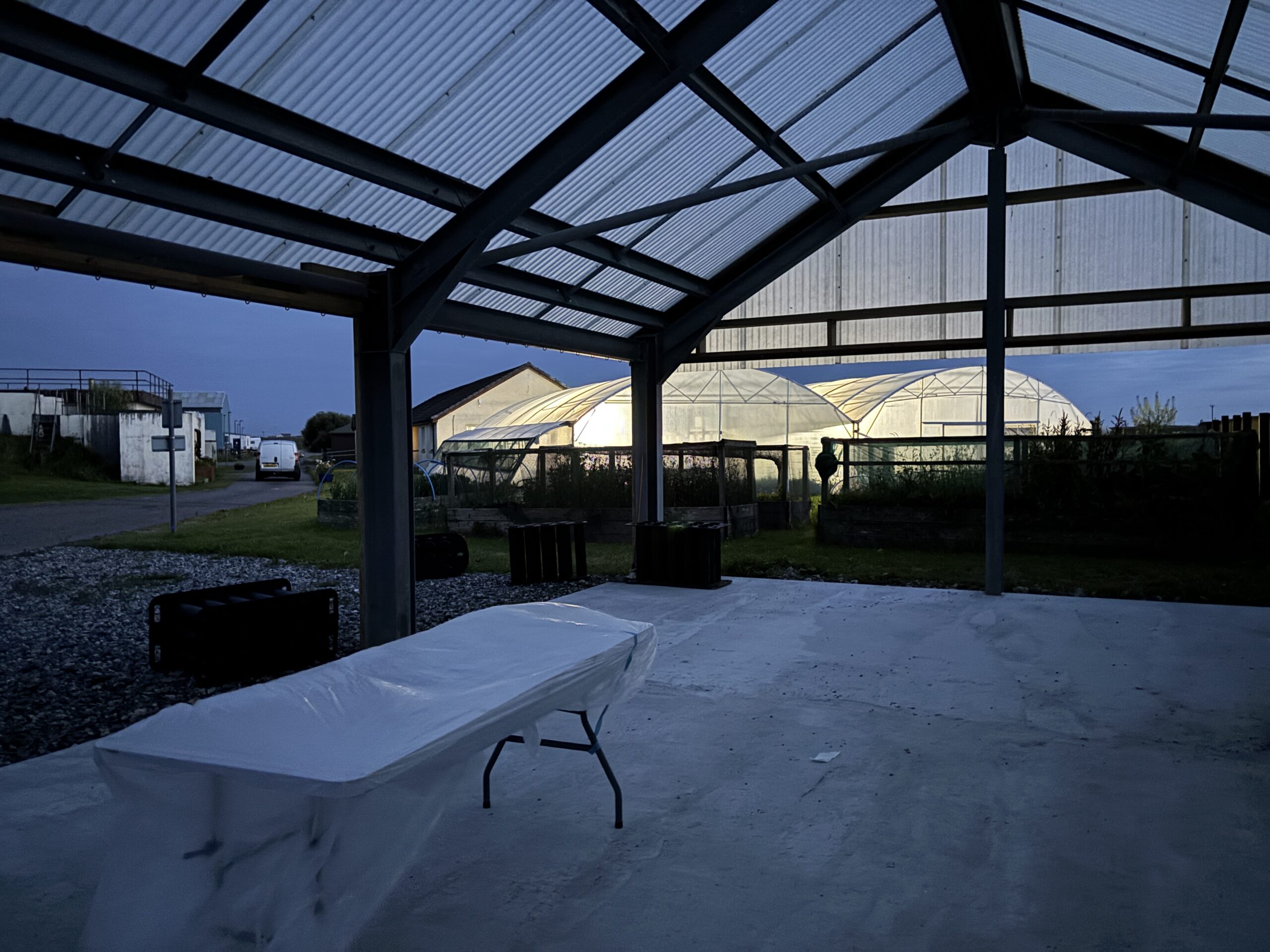
Tagsa Uibhist’s Mental Health and Well Being Department supports people of all ages across Uist and Benbecula. The MHWB department plays a vital role in Tagsa Uibhist’s mission to promote health and wellbeing, with a specific focus on mental health. We work closely with Comhairle nan Eilean Siar’s Social Work and Education Department, the NHS and other local third sector organisations such as Caraidean Uibhist, Ceòlas and Cothrom to integrate services and provide comprehensive support. The aims and objectives of the service are as follows:
To fulfil these aims the MHWB department team consists of a qualified Art Psychotherapist, an Adult Support worker and a Post Diagnostic Support Link Worker specialising in Dementia.
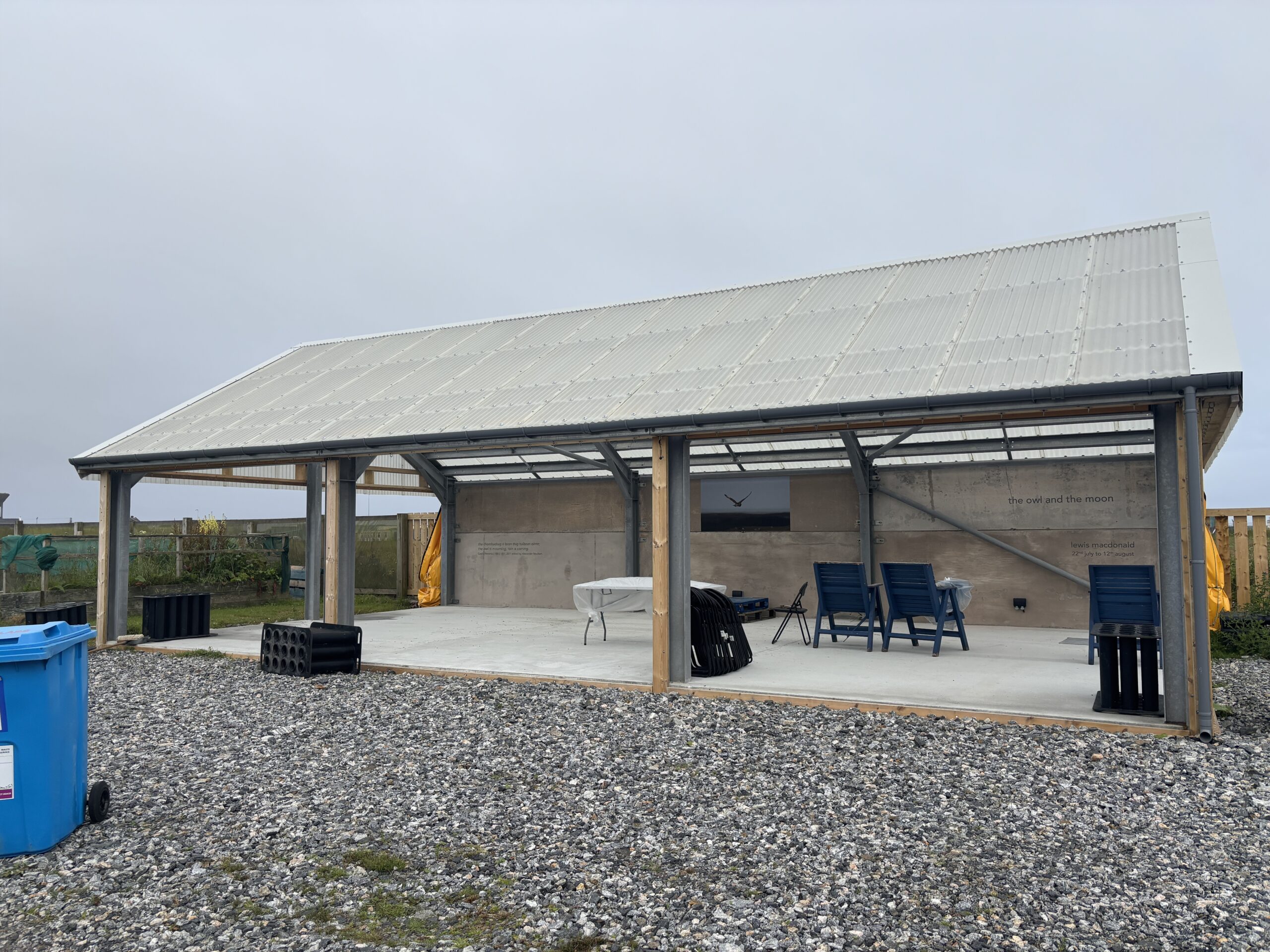
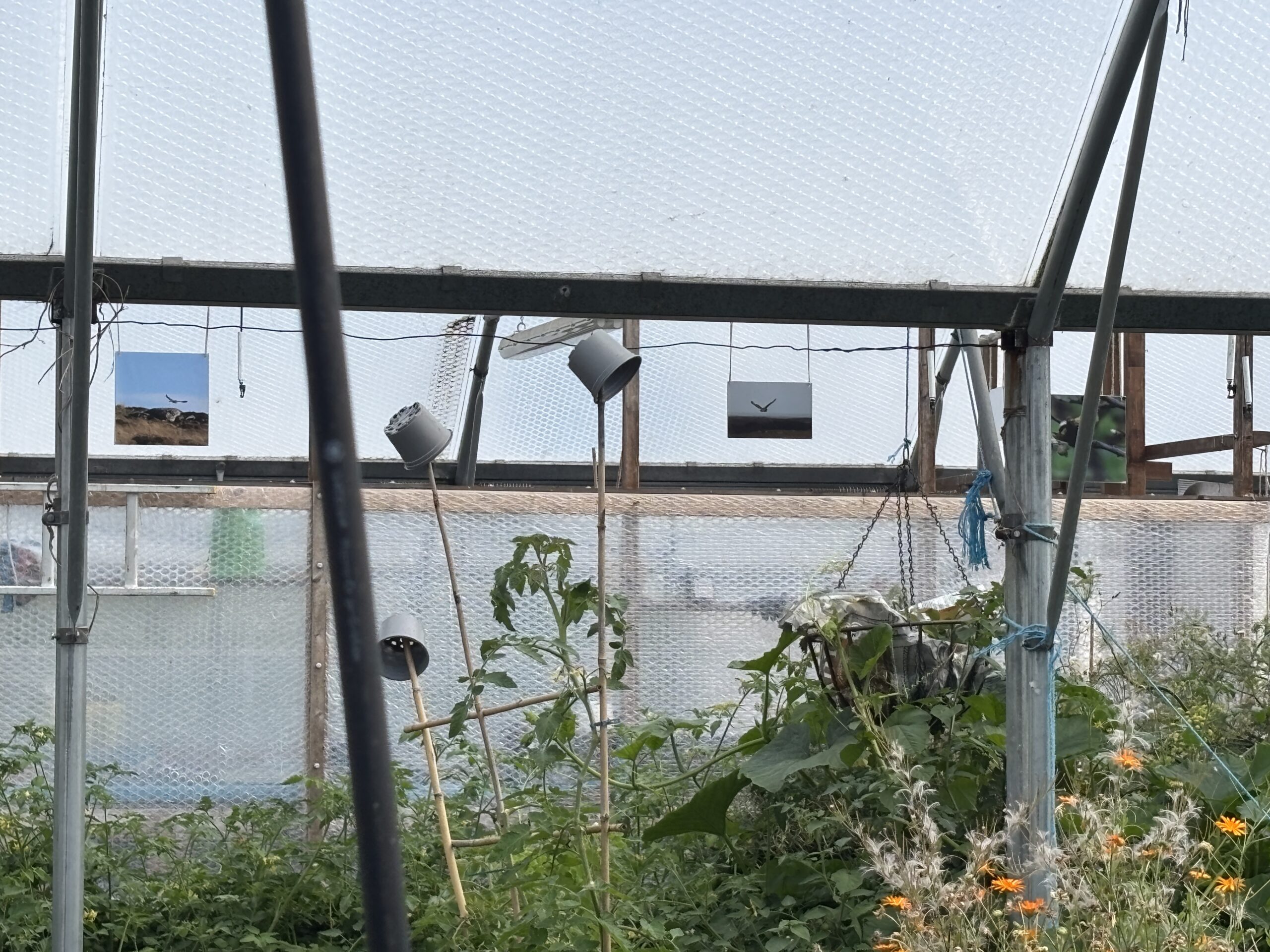
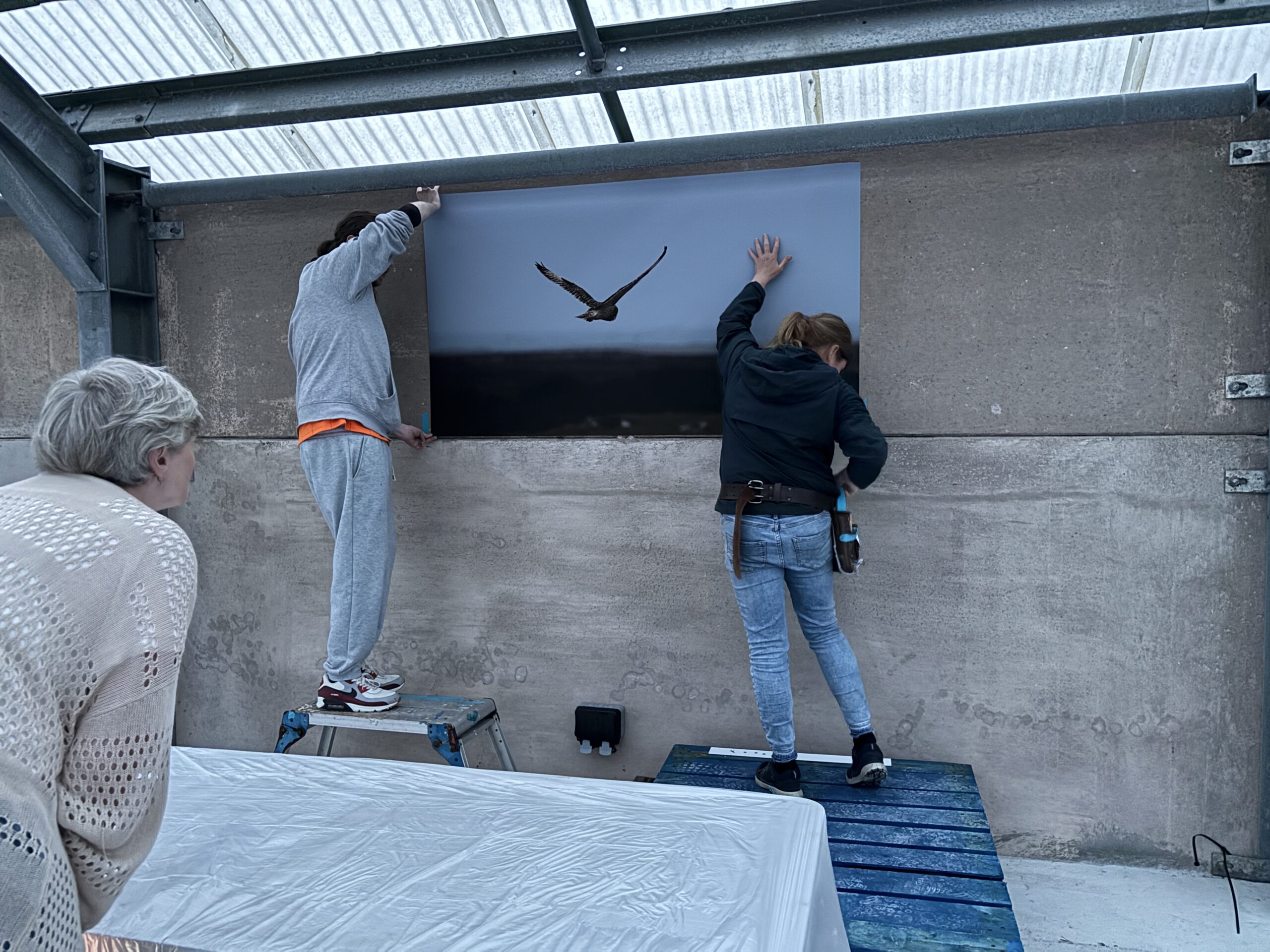
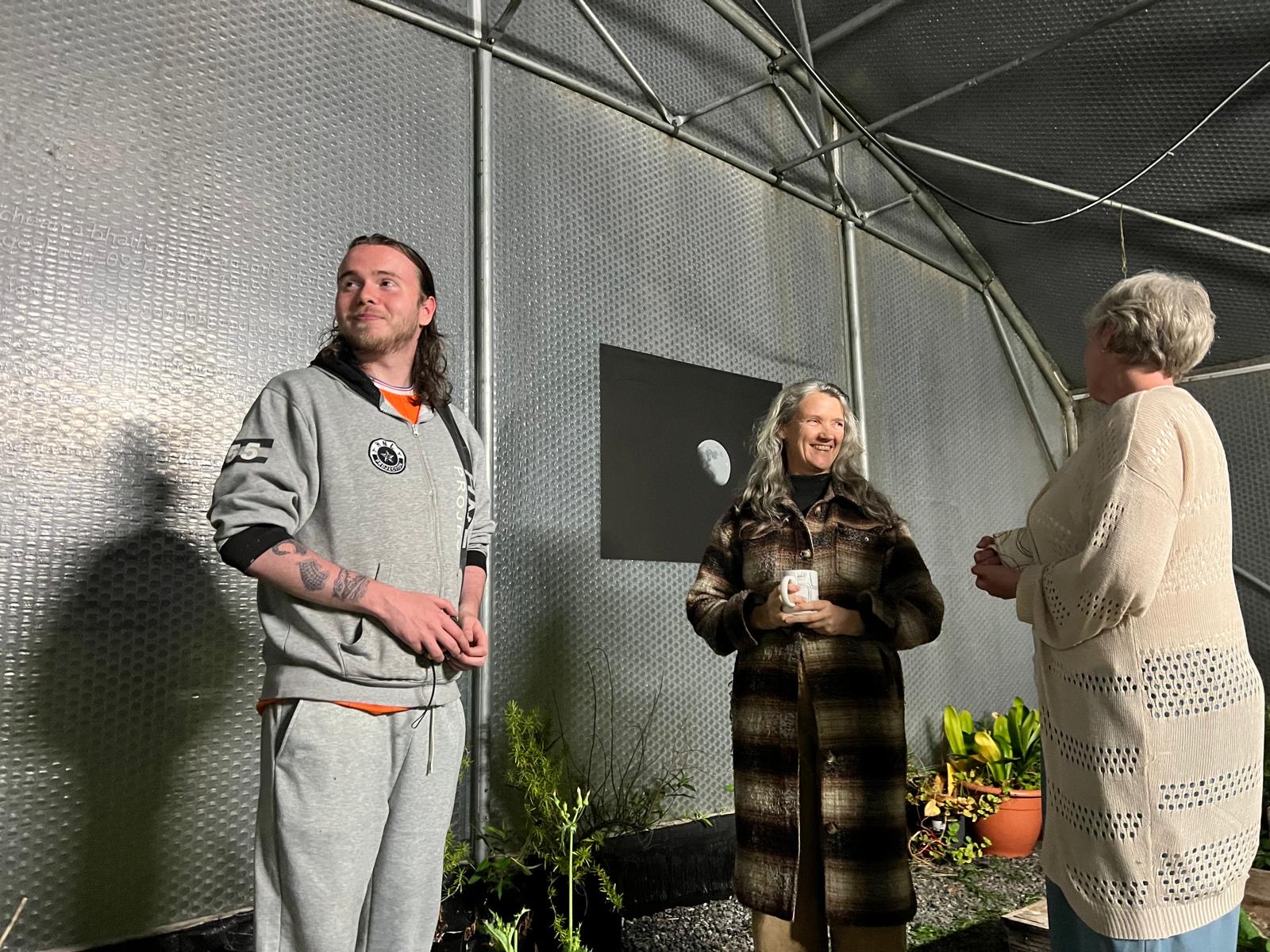
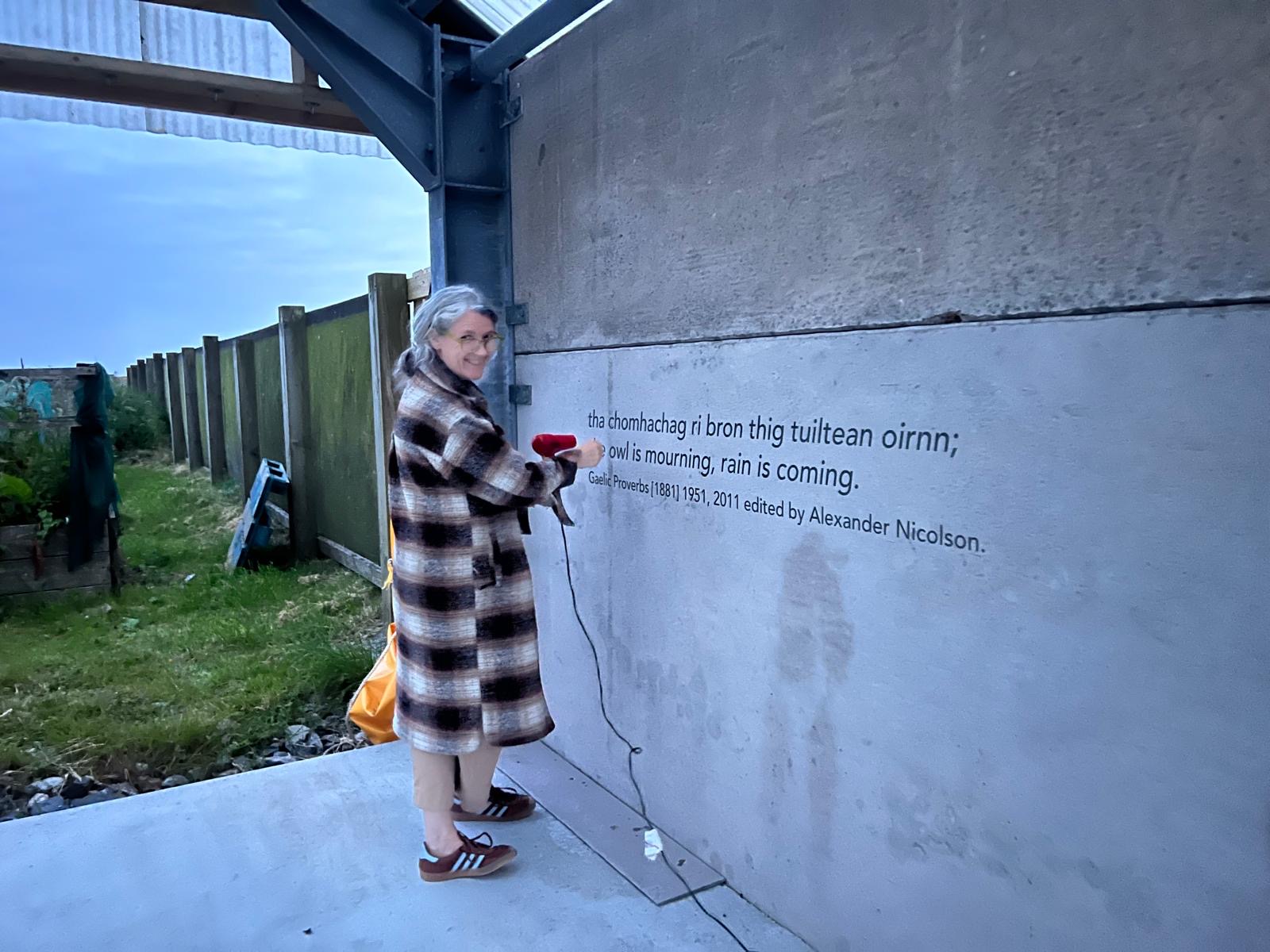
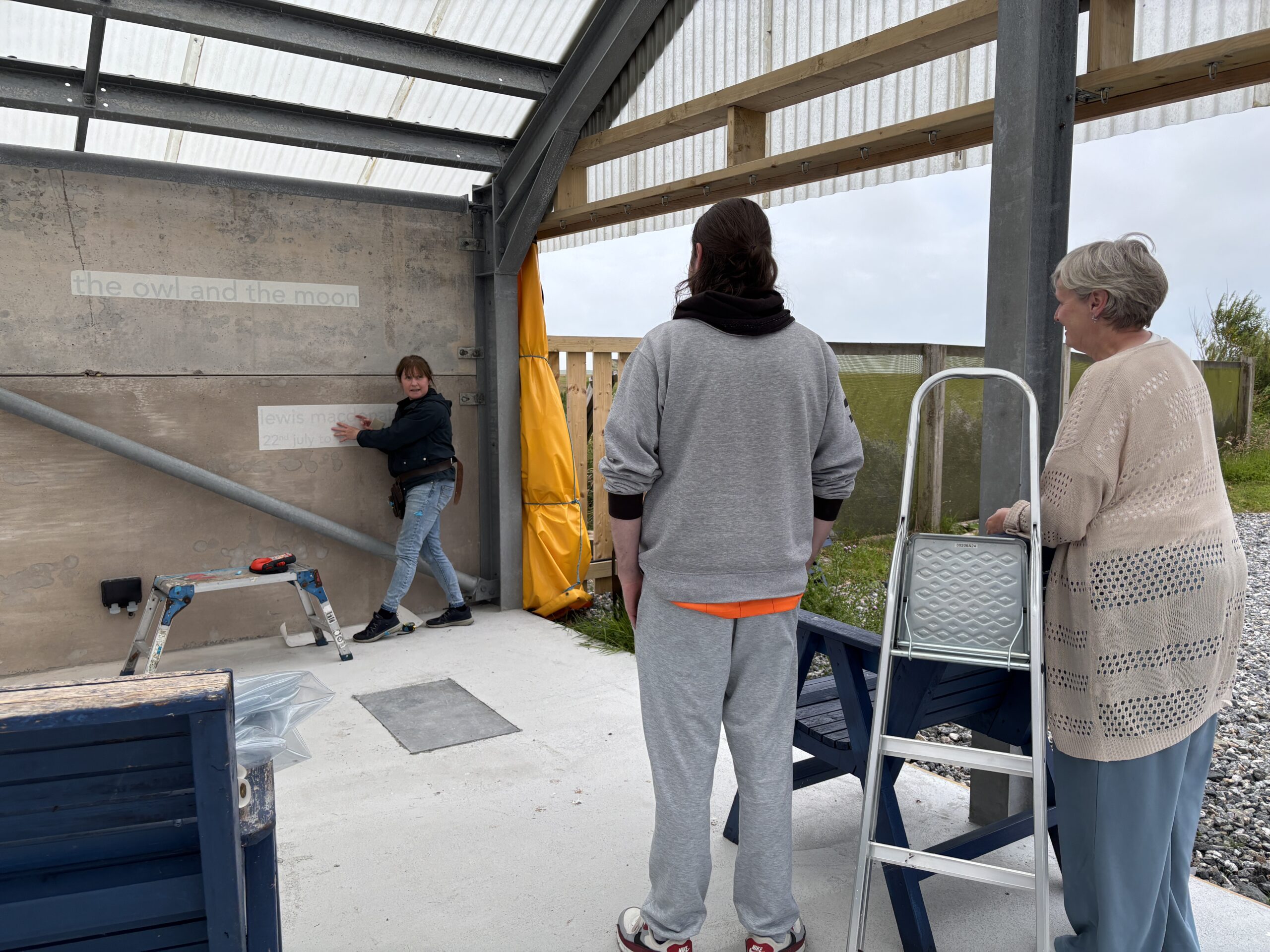
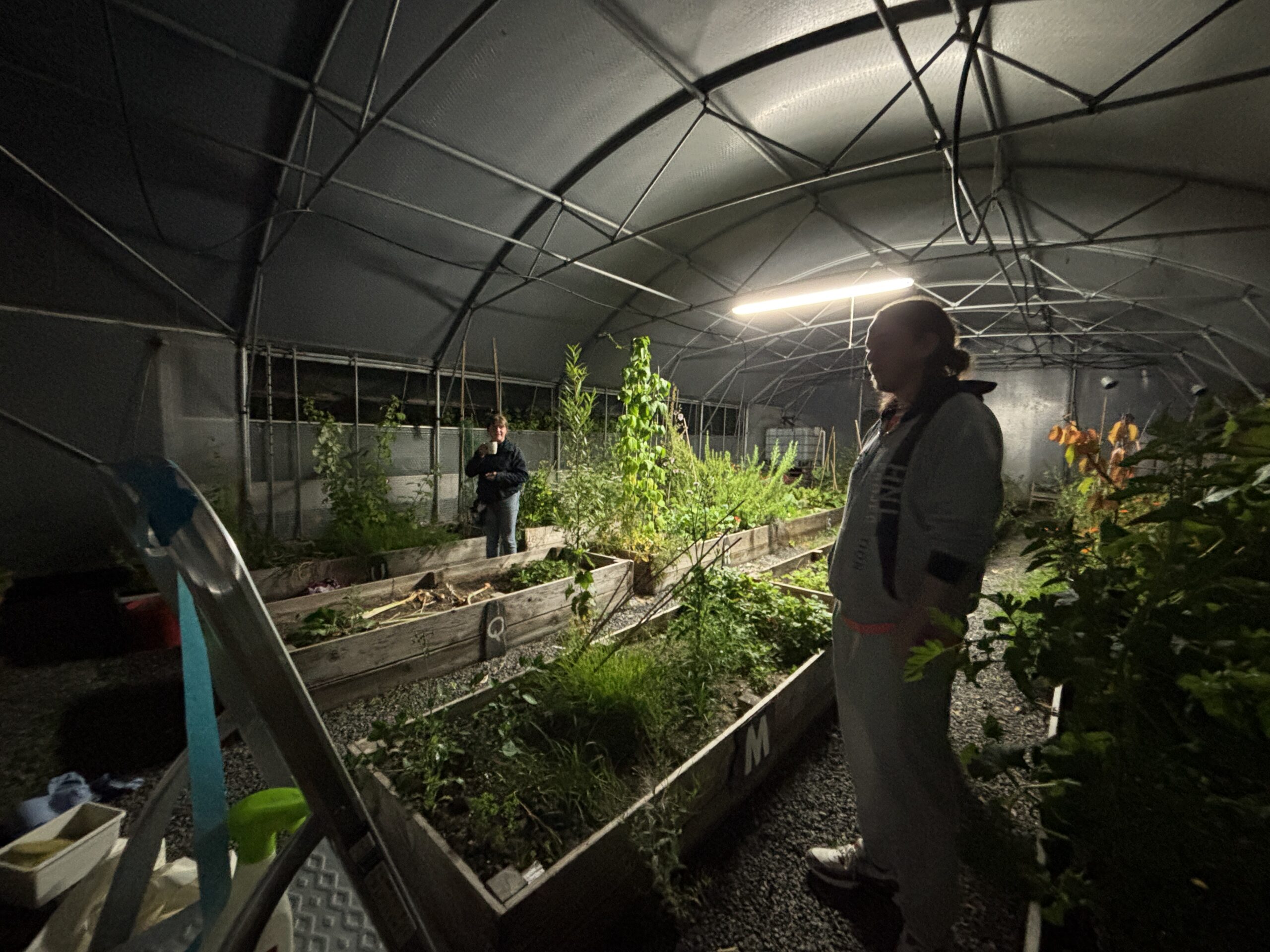
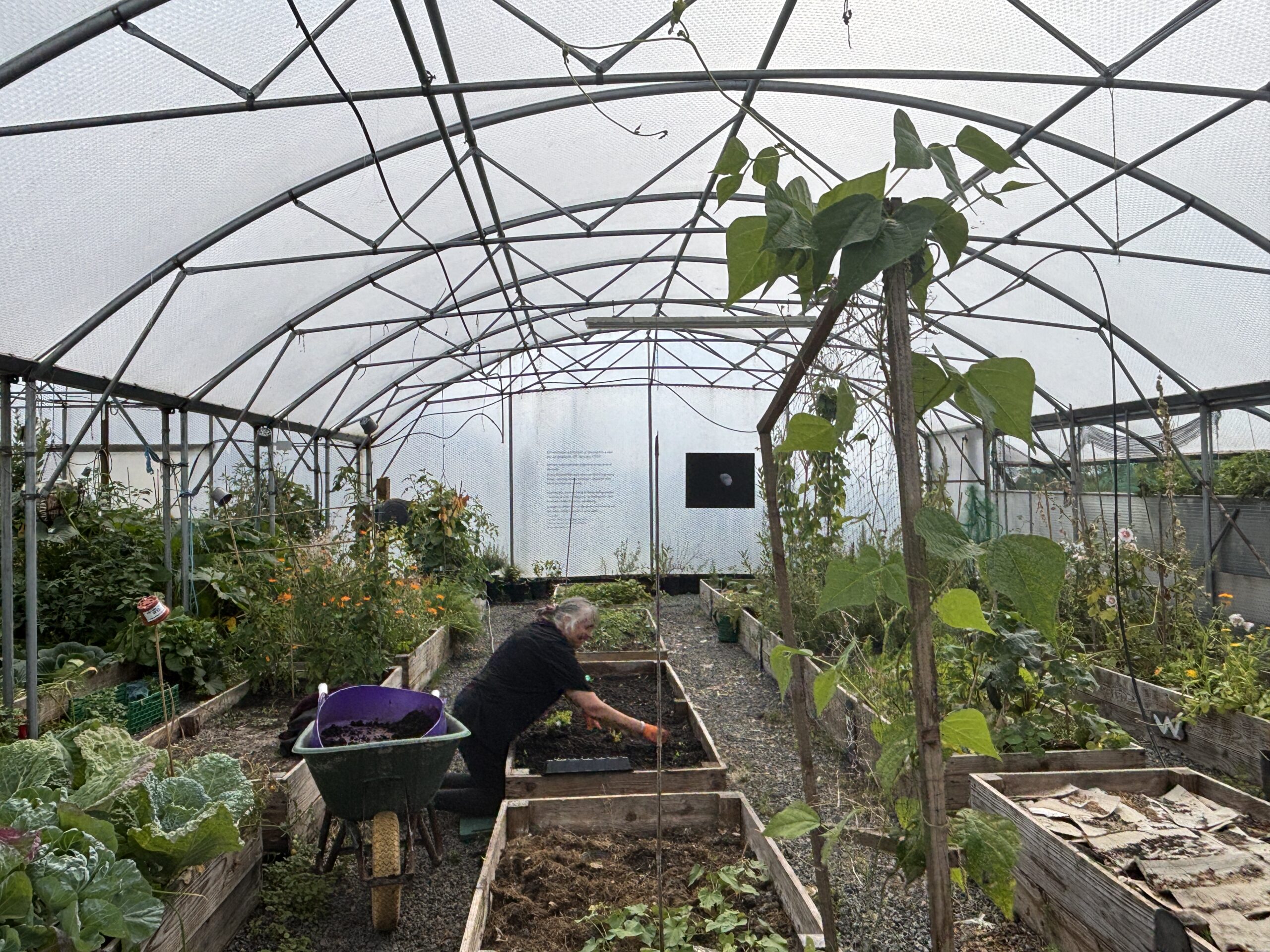
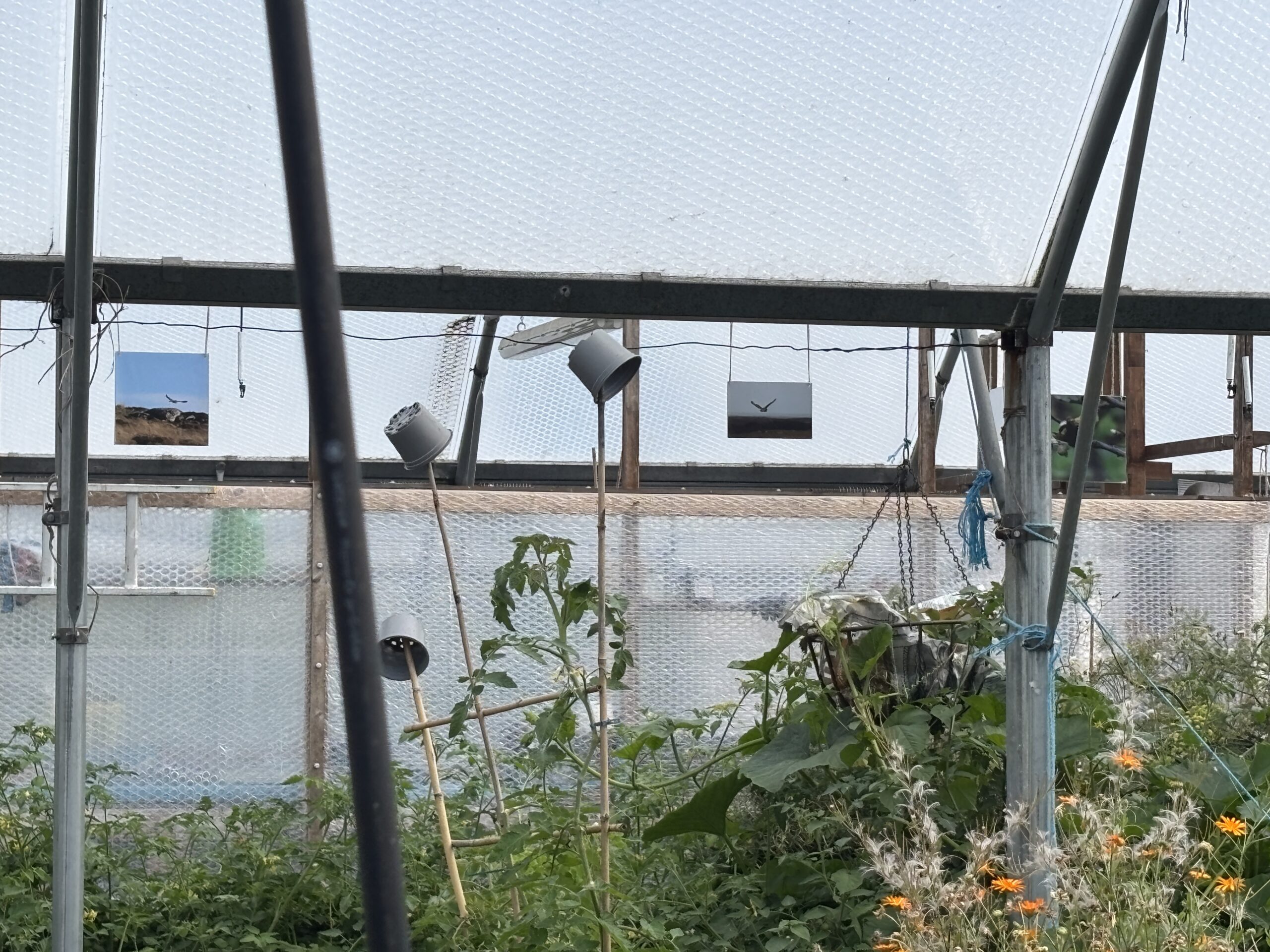
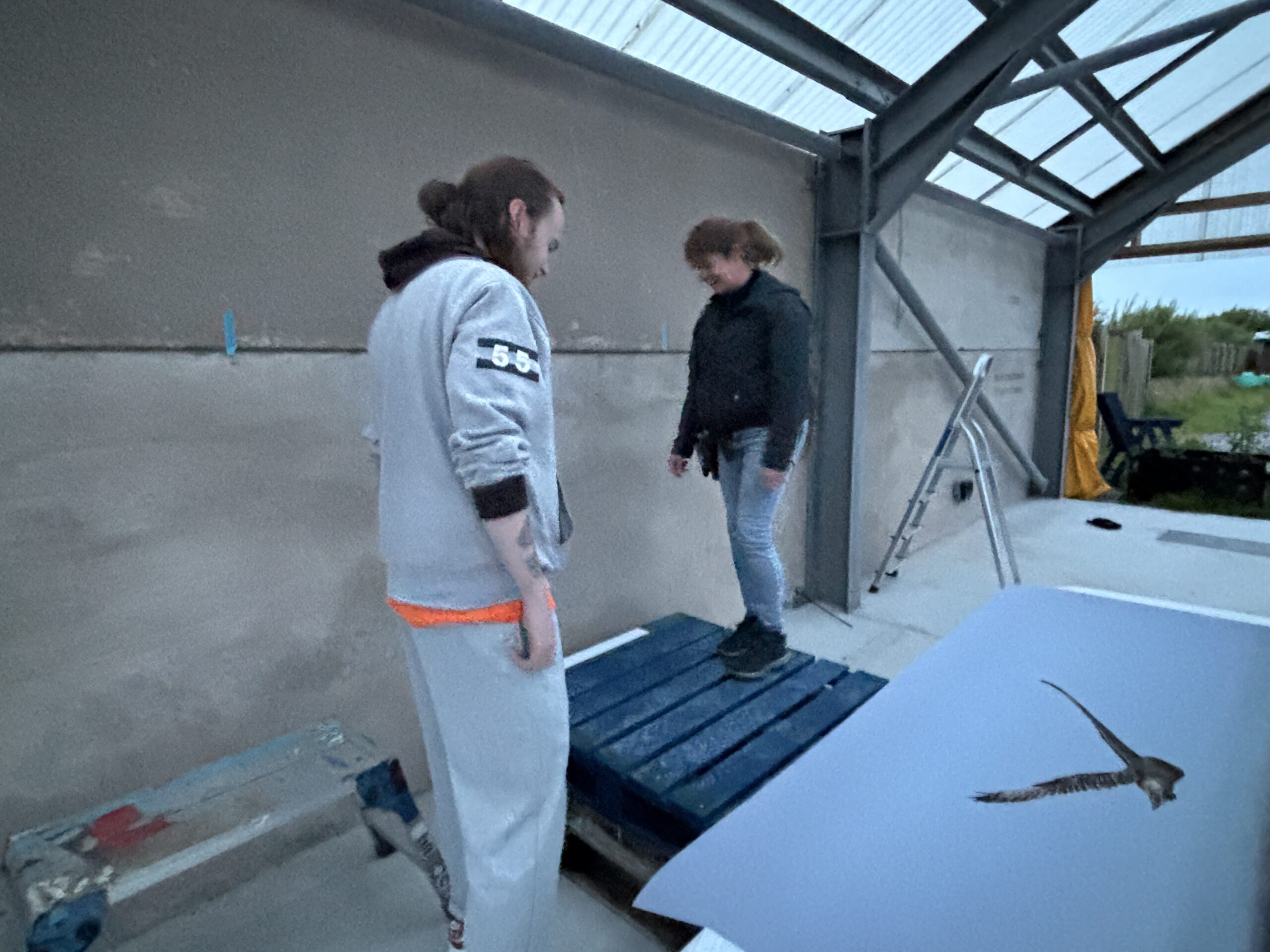
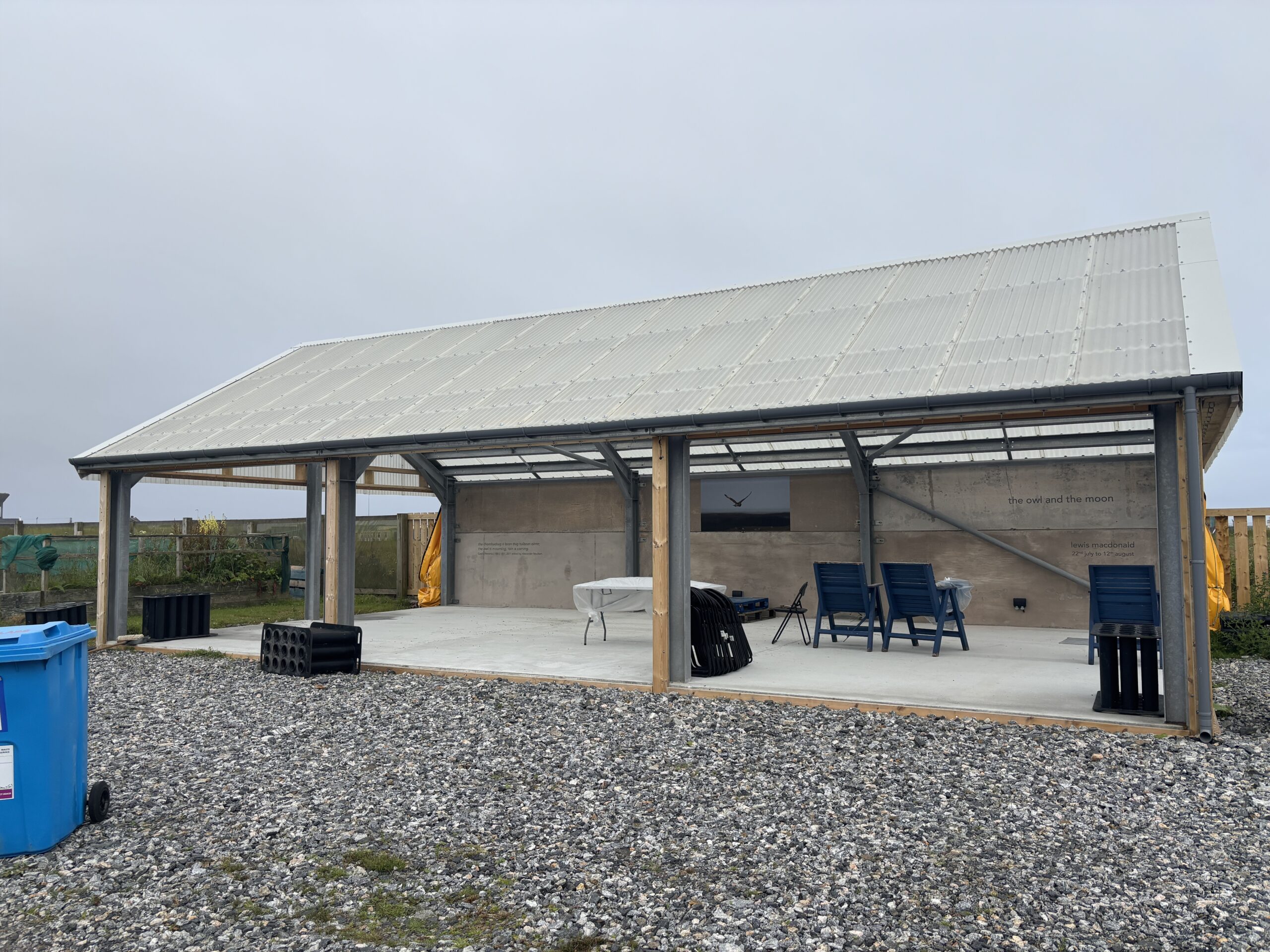
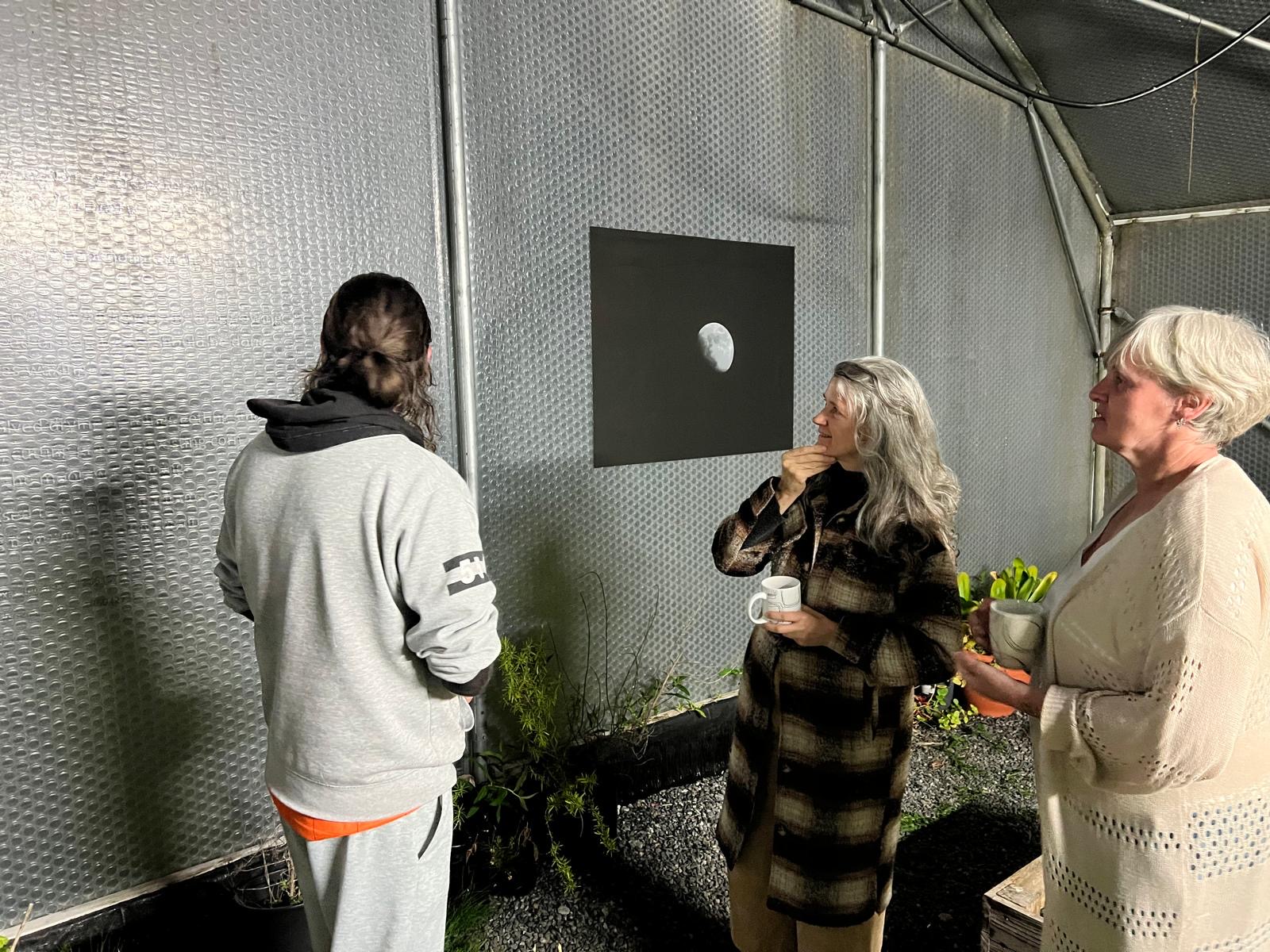
The Owl and the Moon’ by Lewis MacDonald is extended until the end of September 2026 by popular demand. Here is the exhibition text and photos of the exhibition process. Please come and visit the exhibition in the Community Hub and the Keder at East Camp, Balivanich, Isle of Benbecula.
Lewis MacDonald began using art therapy four years ago. Art therapy is
a form of relational psychotherapy which uses artmaking as a way to
explore the self and challenges in life.
Towards the end of his art therapy journey, Lewis found through the
rekindling of his creativity a renewed interest in both wildlife and
photography and developed a desire to learn more about the
environment and conservation. Encouraged by his sister, he invested in
a camera and began taking photographs of the natural world outside
his home on the island of Beinn na Faoghla. His photography became
increasingly focused on birds, particularly the owl, and the stages of the
moon.
In the culmination of the art therapy process, Lewis began working with
his photography to explore images of birds in their natural island
environment in conjunction with developing ideas about his cultural
context of Indigenous Gàidhlig history and belief systems. Drawing on
the archives of Gàidhlig traditions which relate specifically to the owl
and the moon through Tobar an Dualchais (n.d)1 and The Gaelic Book
of Proverbs (2011 ed.)2 led Lewis to make the mixed media artworks in
this exhibition, which also reference through the coloured rope the
viewpoint of the archetypal fisherman. The symbolic references in
Lewis’s work relate to his own therapeutic process and the personal
significance of the island home Beinn na Faoghla, literally meaning ‘hill
of the ford’, where he was born, brought up and in which he remains.
Drawing attention to what needs to be pulled up into view with an eye on the necessary conservation of ‘the more than human’ (linares 2025
n.p)3 is a core theme.
Locating the photographs in Tagsa Uibhist’s Community Gardens, a
semi-external space used for contemporary cultivation, reflects Lewis’s
feeling about the importance of connection between human lived
experience and wildlife. The humidity and exposure to weather will
continue to affect the images over the next three weeks as they take
their place within the community gardens. Both art and environment
are mutually affected by the introduction of these images to the space.
Artist and gardener both faced with the ongoing changes to the work
that might reflect something of transience and time passing. Lewis’s
image of the waxing moon is deepened by the reference to older
Gàidhlig belief about the interconnection of human cultivation and the
stages of the moon; in itself a reference to the natural cycles of time
passing.
This exhibition, held under the umbrella of Tagsa’s Mental Health and
Wellbeing Service, aligns with our ethos of maximising the
interconnecting of therapeutic elements inherent in the arts, natural
environment and our Indigenous Gàidhlig culture, all of which we
continue to endeavour to (re)validate as ways our service users can
creatively find their own path to more meaningful existence.
Lewis Macdonald (Artist) with Catriona MacInnes (Art Psychotherapist) 22/07/2026
...and the references referred to in the text:
¹ Tobar an Dualchais (n.d.), https://www.tobarandualchais.co.uk.Accessed 17/06/2026
² Nicolson Alexander (ed.) ([1888] 2011), A collection of Gaelic Proverbs and Familiar Phrases, rev.
ed., Edinburgh: Birlinn.
³ linares, annais (2025), 'Co-creative accompaniment: Building renewed relationships through arts-based kinmaking', Creative Studies in Improvisation/ Etudes critiques en improvisation, special Issue: 'emergent and Convergent Scholar-Practitioner Worlds: Improvisation and Social (In)Justice', 16:1,https://doi.org/10.21083/csieci.v16i1.7664.
GET IN TOUCH
Send us a message!